Plan Your Spring Garden Now
Grow Something Good: Plan Your Organic Garden Now for a Productive Spring
A Green With Indy Gardening Guide | GWIBlast!
Spring may seem far away, but fall and winter are ideal times to begin planning an organic garden. Whether you're growing vegetables in a backyard, building raised beds, or starting a small container garden, preparing now can make planting easier and improve your chances of a successful harvest.
Organic gardening is about more than growing food without synthetic pesticides or fertilizers. It's about building healthy soil, encouraging beneficial insects, conserving water, and creating a growing environment that works with nature.
Here's how to get started.
1. Choose the Right Location
A successful vegetable garden begins with sunlight, drainage, and accessibility.
Most vegetables need at least six to eight hours of direct sunlight daily. Choose a location with good drainage, convenient access to water, and enough room for plants to mature.
For beginners, a 4-by-8-foot raised bed or a small garden plot is an excellent starting point. Raised beds provide better control over soil quality, help improve drainage, and make planting and maintenance easier.
If space is limited, containers can accommodate herbs, lettuce, peppers, tomatoes, and many other vegetables.
2. Build Healthy Soil With Compost
Healthy soil is the foundation of organic gardening.
Before planting, consider having your soil tested to determine its pH, nutrient levels, and any necessary amendments. In Indiana, soil testing can help identify the specific nutrients your garden needs.
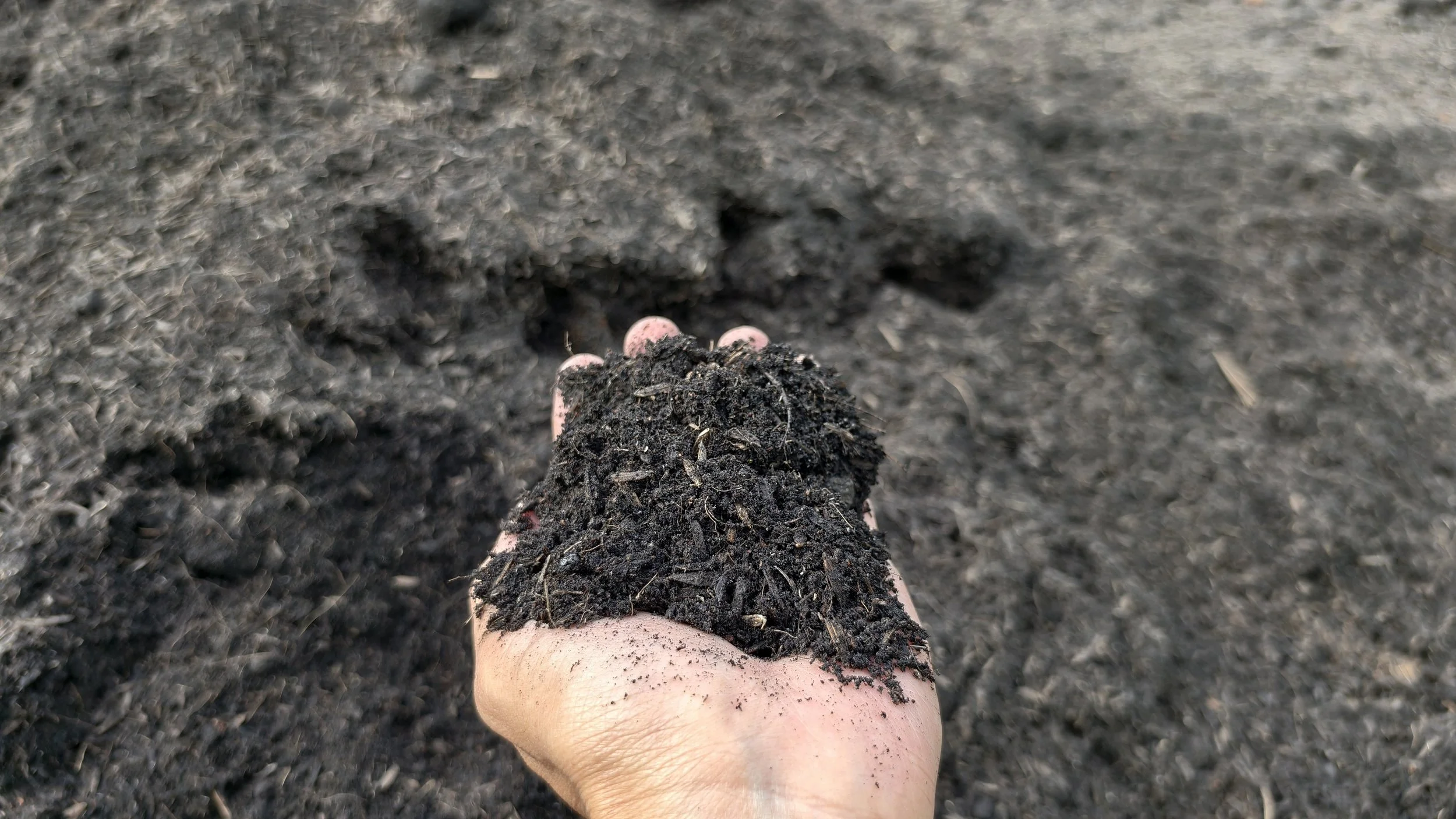
Adding finished compost improves soil structure, increases water retention, supports beneficial microorganisms, and gradually supplies nutrients to growing plants.
Spread approximately 1–2 inches of mature compost over existing garden soil and gently incorporate it into the upper few inches, or leave it on the surface as a soil-building layer.
Avoid using unfinished compost or fresh manure directly around vegetables. Properly finished compost is more suitable for food gardens.
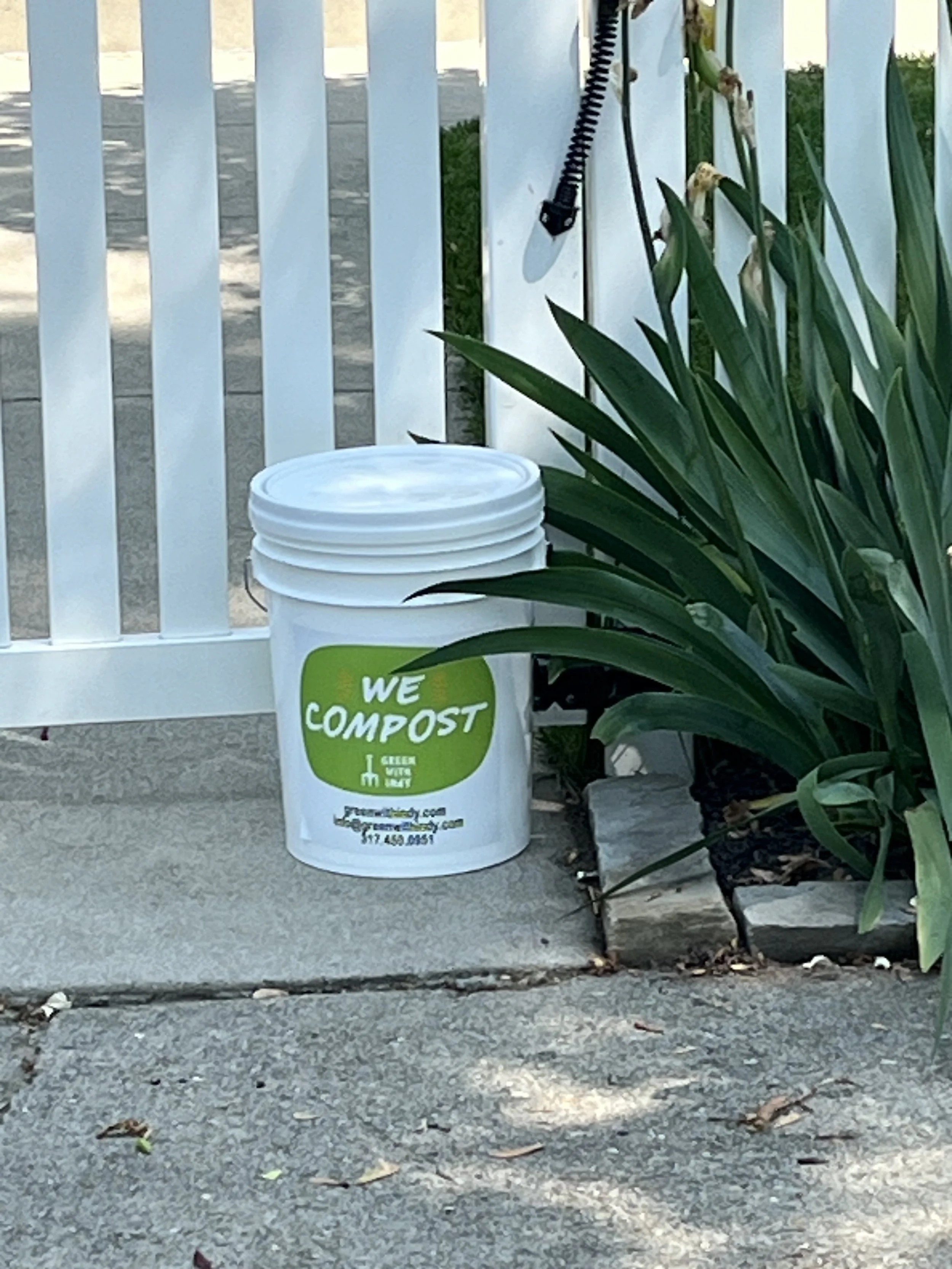
Green With Indy Tip: Composting kitchen scraps, leaves, and other accepted organic materials helps return valuable nutrients to the soil instead of sending them to landfills. These are great for home composting, but (shameless plug), if you’re in need of a more robust compost solution or you can’t DIY compost, that’s where Green With Indy’s curbside compost collection service for businesses and residents may be a better option.
3. Prepare Garden Beds Before Spring
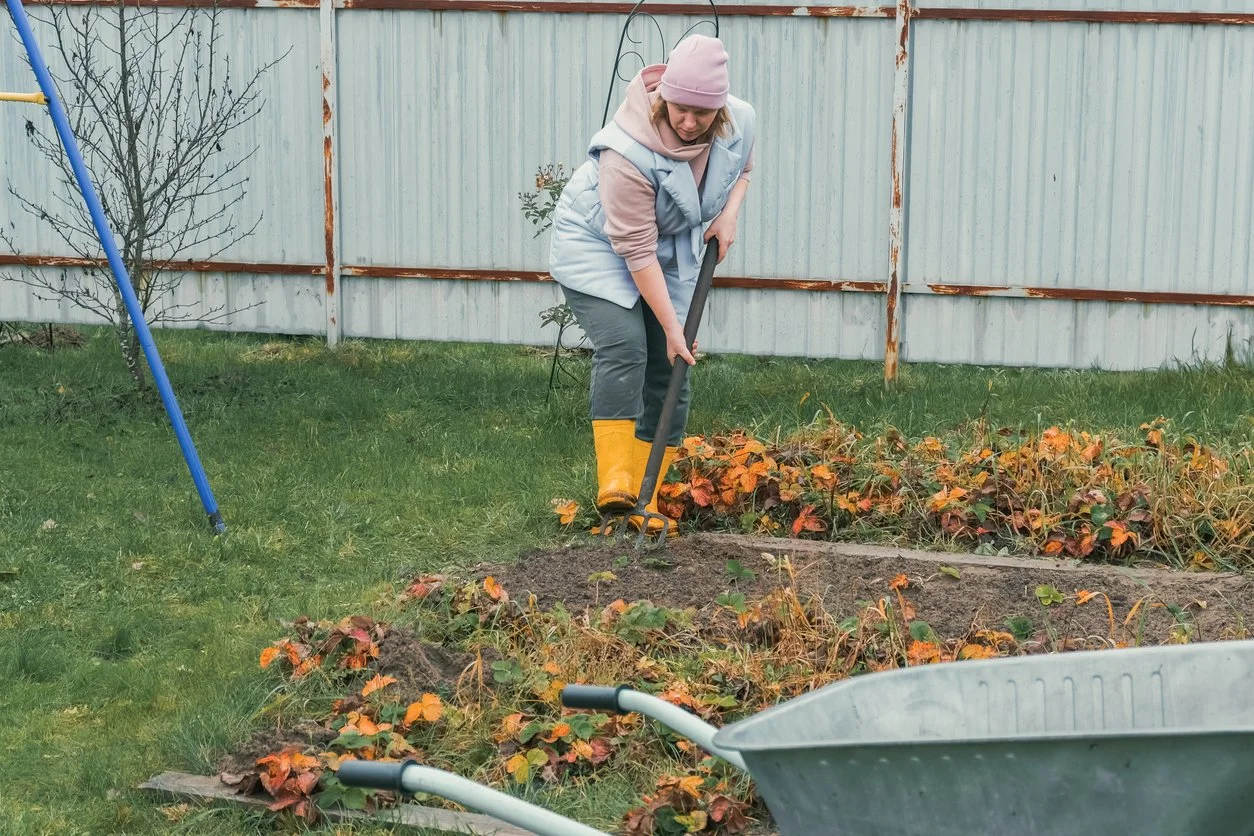
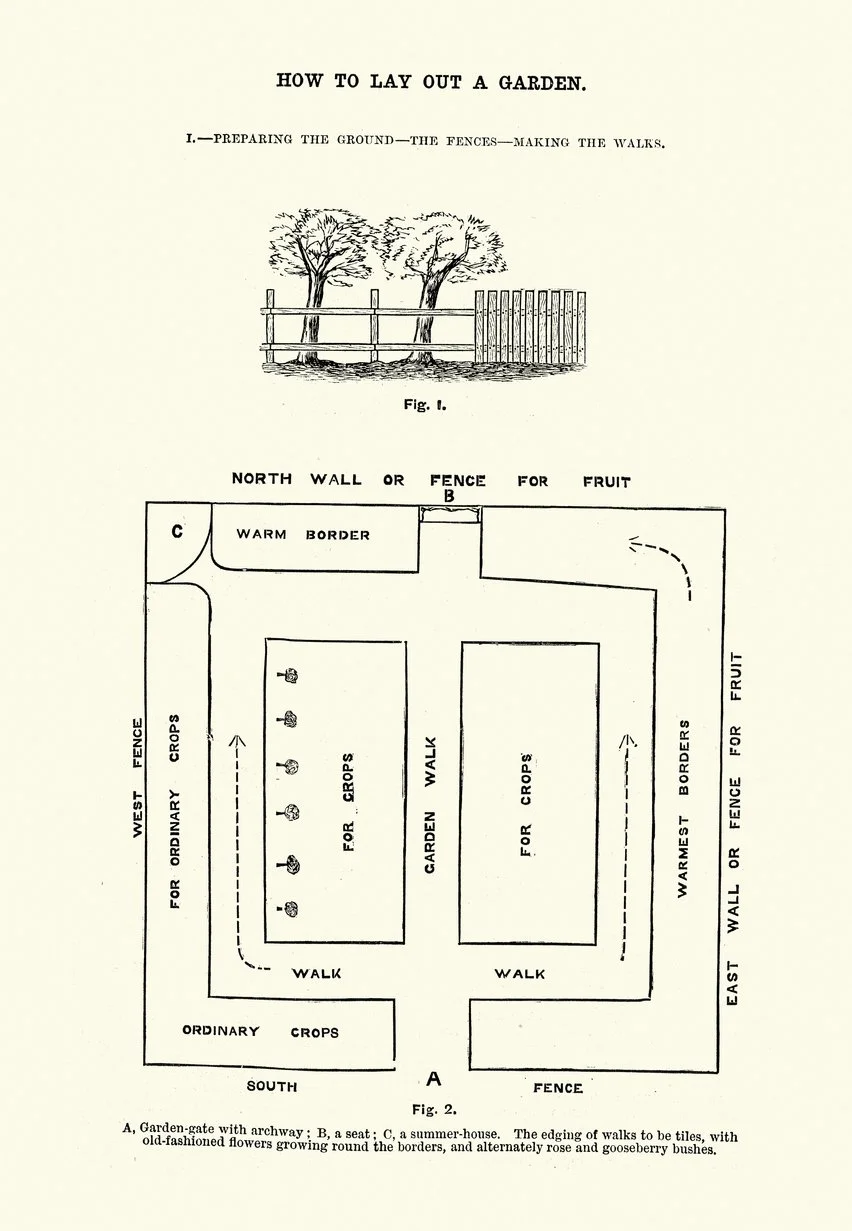
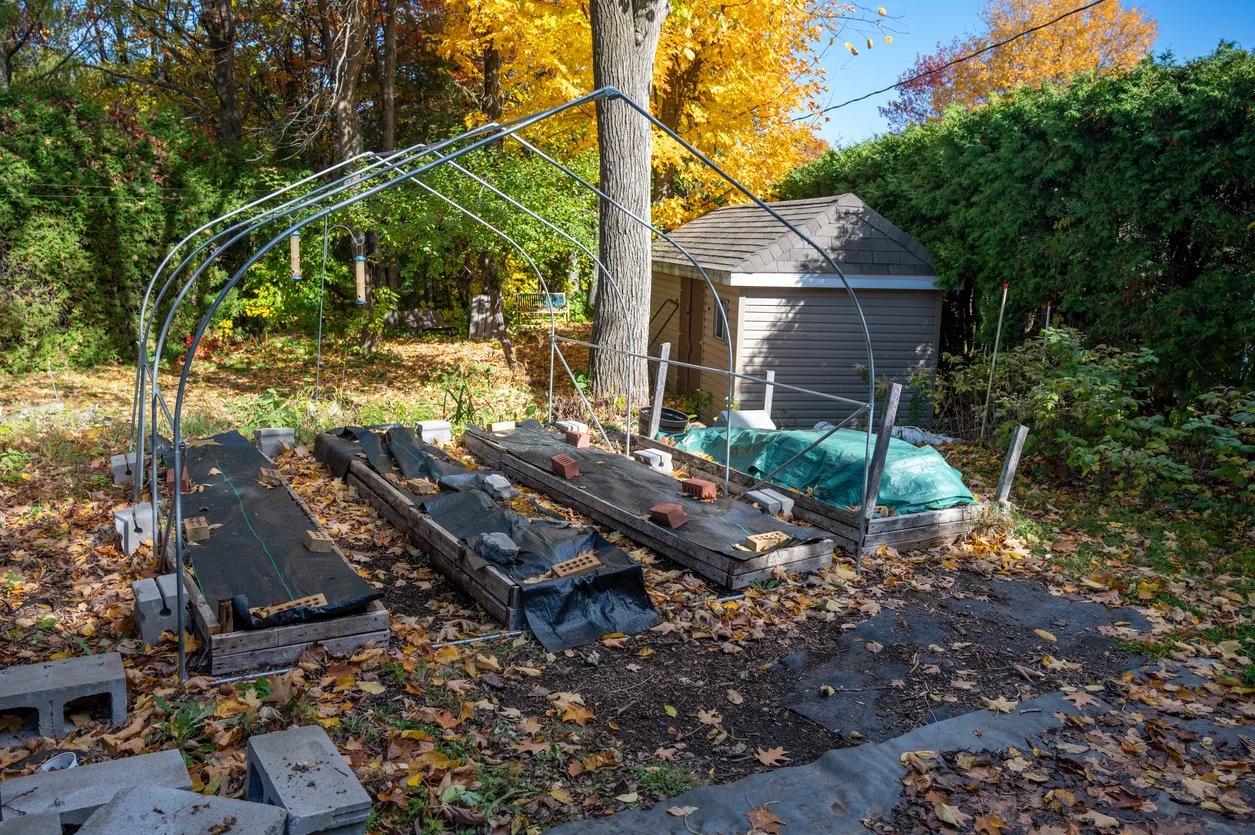
Fall and winter are excellent seasons for constructing raised beds, organizing pathways, and preparing planting areas.
Consider these steps:
· Remove weeds, trash, and unwanted vegetation.
· Build raised beds using untreated, rot-resistant lumber or other garden-safe materials.
· Add quality garden soil and finished compost.
· Cover exposed soil with shredded leaves, straw, or another organic mulch.
· Install pathways, fencing, or trellises before planting season.
· Plan access to water through a hose, watering can, or drip irrigation system.
Avoid working wet soil, which can cause compaction and damage its structure.
A protective layer of organic mulch can help reduce erosion, suppress weeds, and improve soil conditions over winter.
4. Plan What You'll Grow
Start with vegetables and herbs your household enjoys eating. Select varieties suited to central Indiana's growing season and consider how much space each crop requires.
For Indianapolis-area gardeners, the average last spring frost generally occurs around late April to early May, although dates vary by location and year.
Vegetables fall into two broad categories: cool-season crops that tolerate chilly conditions and warm-season crops that require warmer soil and protection from frost.
Cool-Season Vegetables
These can often be planted outdoors in early spring, once soil conditions are suitable.
Vegetable
Suggested spring planting
Peas- March–April
Spinach - March–April
Radishes - March–May
Carrots - March–May
Lettuce - March–May
Kale - March–April
Beets - April–May
Potatoes - March–April, when soil is workable
Warm-Season Vegetables
These generally should be transplanted or seeded outdoors after frost danger has passed and soil temperatures are appropriate.
Vegetable
Suggested spring planting
Tomatoes - Mid-May onward
Peppers - Mid-May onward
Cucumbers - Mid-May–June
Zucchini - Mid-May–June
Summer squash - Mid-May–June
Green beans - Mid-May–June
Basil - Mid-May onward
Eggplant - Mid-May onward
These are approximate central Indiana planting windows, not guaranteed frost-safe dates. Check local forecasts and soil temperatures before planting.
5. Start Seeds Indoors Before Spring
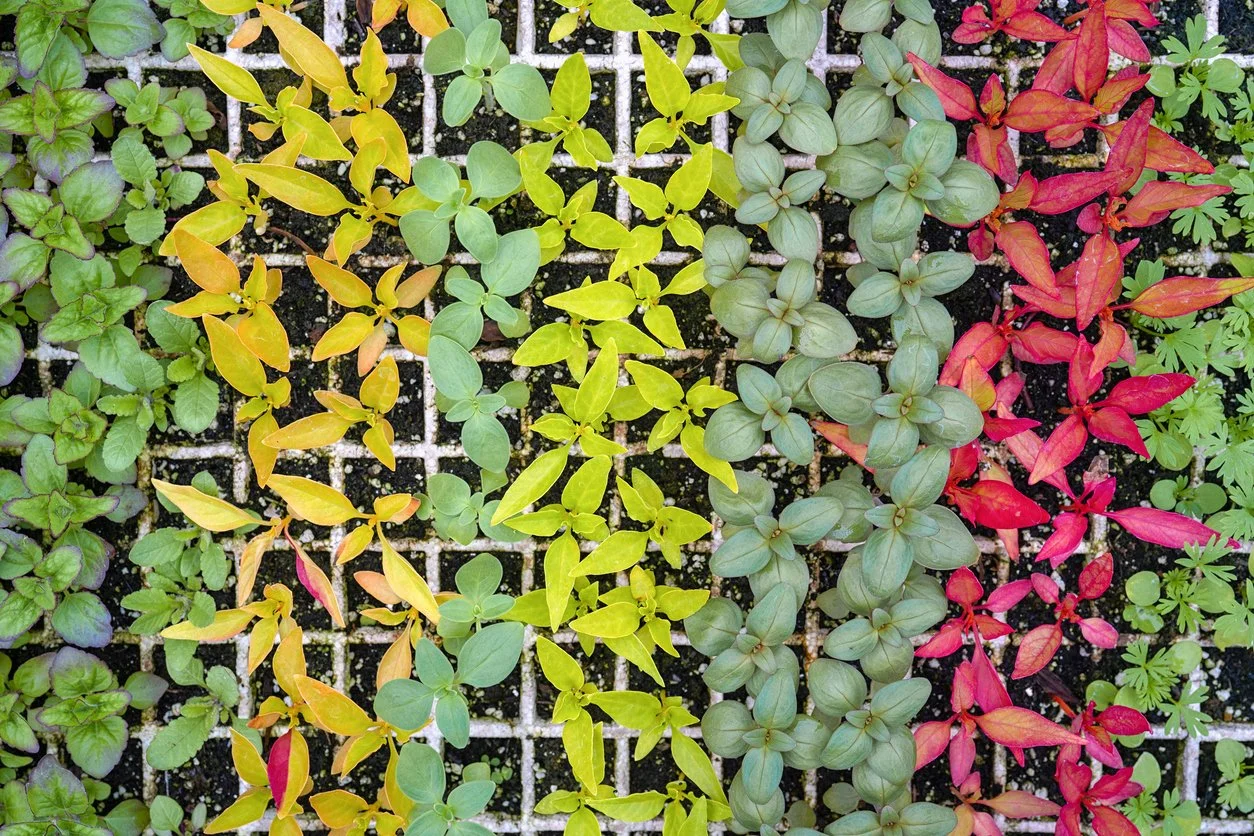
One of the most rewarding ways to prepare for spring is to start plants from seeds indoors.
Starting seeds allows gardeners to grow a wider selection of vegetables, save money on transplants, and get a head start on the growing season.
Recommended Indoor Seed-Starting Schedule
Based on an approximate early-May last frost date in central Indiana.
Plant
When to start indoors
Approximate timing
Onions from seed: 10–12 weeks before last frost, February
Broccoli: 6–8 weeks before spring transplanting, February–March
Cabbage: 6–8 weeks before spring transplanting, February–March
Kale: 4–6 weeks before transplanting, February–March
Peppers: 8–10 weeks before last frost, Late February–March
Tomatoes: 6–8 weeks before last frost, March
Eggplant: 8–10 weeks before last frost, Late February–March
Basil: 4–6 weeks before last frost, March–April
Cucumbers: 3–4 weeks before transplanting, April
Squash: 3–4 weeks before transplanting, April
Peas, carrots, radishes, beans, and many other crops are generally better started directly in garden soil rather than transplanted.
For successful indoor seed starting, use clean containers with drainage holes, a lightweight seed-starting mix, adequate moisture, and bright grow lights. Most seedlings benefit from approximately 14–16 hours of artificial light daily.
Before transplanting seedlings outdoors, gradually expose them to outdoor conditions over about 7–10 days. This process, called hardening off, helps reduce transplant shock.
6. Practice Natural Pest Management
Organic gardening encourages a healthy ecosystem rather than relying on routine pesticide applications.
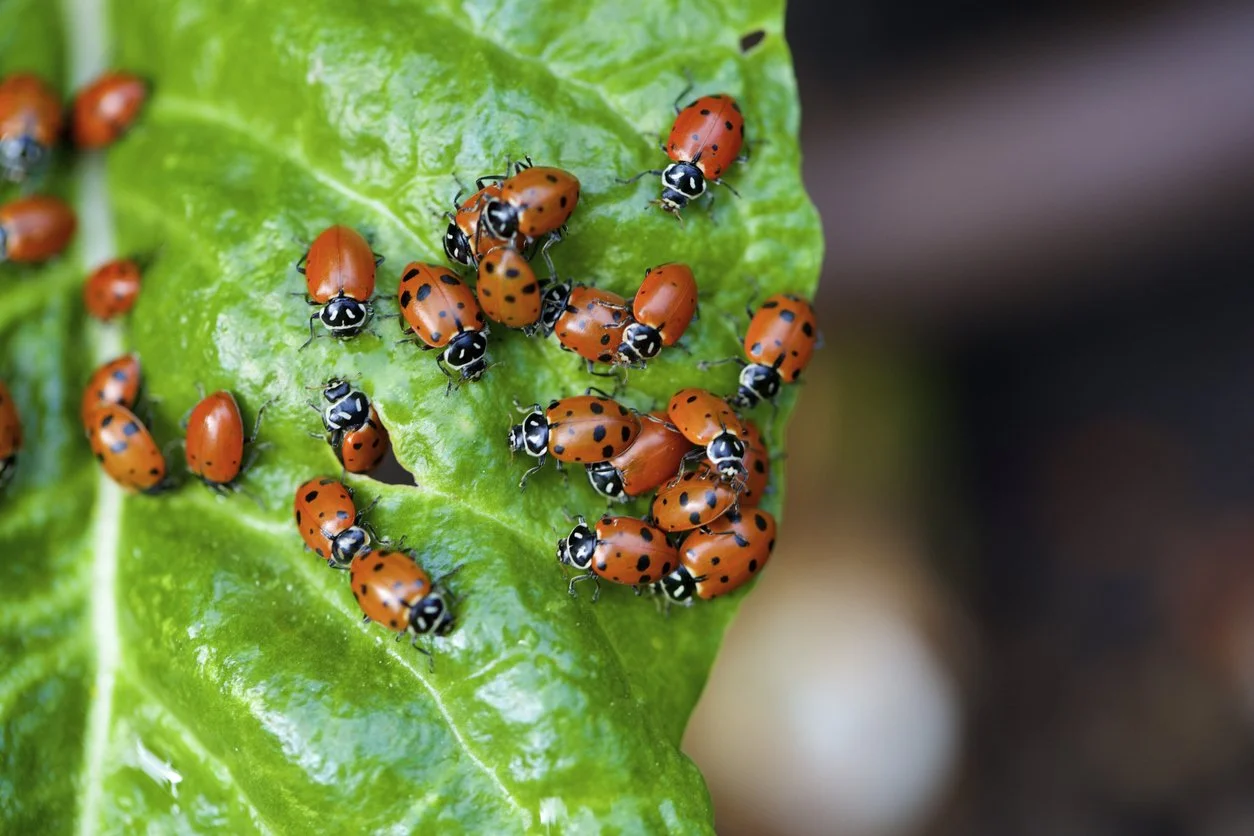
Grow flowers such as calendula, alyssum, and zinnias to attract pollinators and beneficial insects. Rotate vegetable families between growing areas when possible, and inspect plants regularly for early signs of pests or disease.
Use insect netting or row covers where appropriate, remove diseased plant material promptly, and choose disease-resistant vegetable varieties.
Even organic-approved pest treatments should be used selectively and according to label instructions.
7. Make Composting Part of Your Garden Routine
Composting is one of the most practical ways to support a productive organic garden.
Vegetable trimmings, coffee grounds, fallen leaves, and other suitable organic materials can become a valuable soil amendment when composted properly.
Finished compost can help:
· Improve moisture retention during dry weather.
· Support healthy soil structure and biological activity.
· Reduce dependence on purchased soil amendments.
· Recycle nutrients from organic materials.
· Reduce the amount of compostable waste sent to landfills.
For gardeners who don't compost at home, locally produced finished compost can provide many of the same soil-building benefits.
Your Seasonal Organic Garden Checklist
November–January: Plan and Prepare
· Choose your garden location.
· Design raised beds and planting areas.
· Test existing soil.
· Add finished compost and protective mulch.
· Order seeds and organize gardening supplies.
February–March: Start Growing
· Start onions, peppers, broccoli, cabbage, and other suitable seeds indoors.
· Prepare seed trays and grow lights.
· Plant early cool season crops outdoors when conditions permit.
· Inspect garden beds and repair structures.
April–May: Plant Your Spring Garden
· Continue planting cool-season vegetables.
· Harden off indoor seedlings.
· Transplant tomatoes, peppers, and other warm season crops after frost danger passes.
· Add mulch, install supports, and establish a watering schedule.
A Healthier Garden Begins With Healthier Soil
Organic gardening doesn't require acres of land, expensive equipment, or years of experience. A few containers, a small, raised bed, or a modest backyard plot can provide fresh food and a deeper connection to the environment.
The most important ingredient is healthy, living soil.
At Green With Indy, we believe the food cycle shouldn't end when scraps leave the kitchen. Composting helps return organic materials to productive use, supporting healthier soils, gardens, and communities.
Start planning now, grow something good this spring, and make composting part of the process.
Green With Indy — We Compost!
Visit greenwithindy.com to learn more about compost collection and the benefits of keeping organic materials out of landfills.